

 : 产品列表(参数搜索)


- 型号 & 关键词搜索
- 交叉搜索
- 参数搜索
- 库存查询与购买
This webpage doesn't work with Internet Explorer. Please use the latest version of Google Chrome, Microsoft Edge, Mozilla Firefox or Safari.
请输入3个以上字符 Search for multiple part numbers fromhere.
The information presented in this cross reference is based on TOSHIBA's selection criteria and should be treated as a suggestion only. Please carefully review the latest versions of all relevant information on the TOSHIBA products, including without limitation data sheets and validate all operating parameters of the TOSHIBA products to ensure that the suggested TOSHIBA products are truly compatible with your design and application.Please note that this cross reference is based on TOSHIBA's estimate of compatibility with other manufacturers' products, based on other manufacturers' published data, at the time the data was collected.TOSHIBA is not responsible for any incorrect or incomplete information. Information is subject to change at any time without notice.
请输入3个以上字符
车载HVAC系统MOSFET可靠性与效率评估方法及东芝案例分析
车载HVAC系统作为座舱舒适体验的核心组件,其电机驱动效率、长期稳定性与功耗控制直接影响用户体验与车辆续航。本文围绕车载HVAC场景下MOSFET的关键性能评估展开,结合东芝产品案例与测试数据,解析可靠性与效率的验证逻辑。
评估维度与关键指标
车载HVAC对MOSFET的核心要求包括长期稳定运行、低功耗与温度适应性。长期稳定性需关注车规认证与生产体系标准:东芝车载MOSFET的生产工厂符合IATF16949质量管理体系认证,且器件通过了AEC-Q101车规认证,满足电子元件委员会的可靠性测试要求。低功耗则依赖低导通电阻设计:东芝车载MOSFET采用沟道微加工技术与铜连接器键合封装,实现行业优秀的低RDS(ON)值。温度适应性方面,其封装设计提升了散热性能,适应宽温工作范围。
东芝MOSFET案例与效率对比
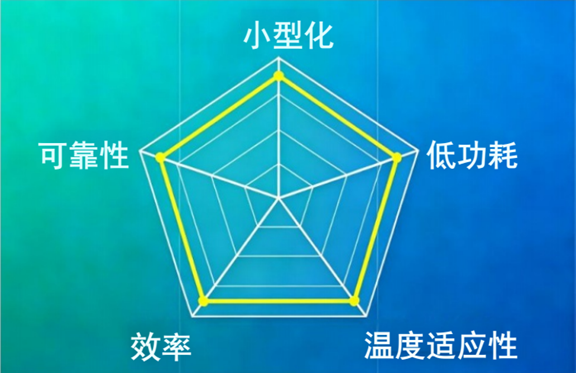
在HVAC电机驱动应用中,东芝U-MOS系列MOSFET表现突出:例如40V的XPN3R804NC与100V的XPN1300ANC,凭借极低的导通电阻减少热量损耗,提升系统效率。与传统器件相比,该系列MOSFET在相同负载下功耗降低显著,助力HVAC系统节能。
车载HVAC场景下,MOSFET评估最易忽略封装散热与长期可靠性的关联,而温度波动是导致器件失效的主要风险点。需综合认证体系、导通电阻与封装设计等多维度验证,才能确保系统稳定运行。